
Loading your requested section...

Sleep Debt from Insomnia Should Be Treated, Not Tolerated

Insomnia is a recognized medical condition for which safe and effective treatment options are available.

SleepDebt
What Is Sleep Debt?

Sleep debt, also known as a sleep deficit, is the gap between how much sleep your body needs and how much you actually get.

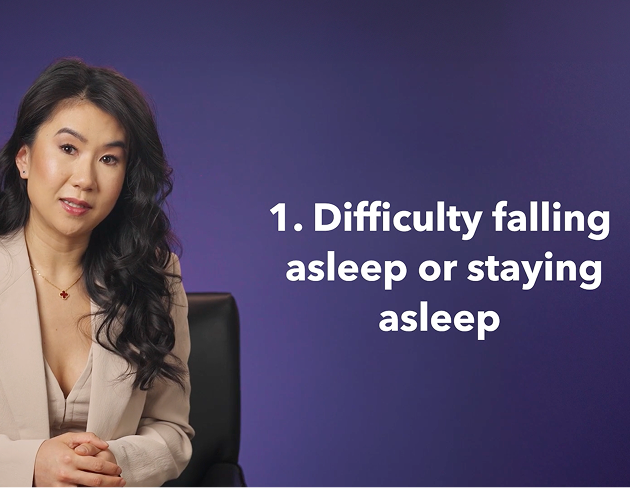
A common cause of sleep debt is insomnia, a recognized medical condition. It involves ongoing difficulty falling asleep, staying asleep, and/or waking too early and being unable to return to sleep.

Adults generally need about 7–9 hours of sleep each night to feel and function their best.
Are you consistently getting enough sleep?

Short-Term Symptoms of Insomnia

Even a single night of poor sleep can leave you feeling tired, unfocused, or irritable. While these short-term symptoms can disrupt your day, sleep problems that continue over time may cause the effects to grow and become more severe. Learn more about the short-term effects of insomnia and explore practical tips that may help improve your sleep.

Learn More


Long-Term Consequences of Insomnia

Chronic (long-term) insomnia has been linked to health conditions such as obesity, type 2 diabetes, and depression. Learn why recognizing insomnia as a medical condition and getting properly diagnosed can help protect your overall health.

Learn More
Physician Perspectives

Understand the Long-Term Consequences of Sleep Issues

SleepDebt.ca has partnered with leading Canadian physicians to get their takes on how long-term sleep issues can affect overall health and why timely recognition of insomnia matters.

Is Insomnia Behind Your Sleep Debt?

Take this short, clinically validated self-assessment to see where your sleep challenges may fall—from mild to more serious—and if it might be time to talk with your doctor.

Woman getting up from a restful sleep

Understand Your Treatment Options

Safe and effective treatments are available for Canadians with insomnia.
Explore Your Options
Woman talking to her doctor

How to Talk to Your Doctor

Not sure how to approach the topic of sleep issues with your doctor? We’ve got you covered.
Prepare for Your Conversation